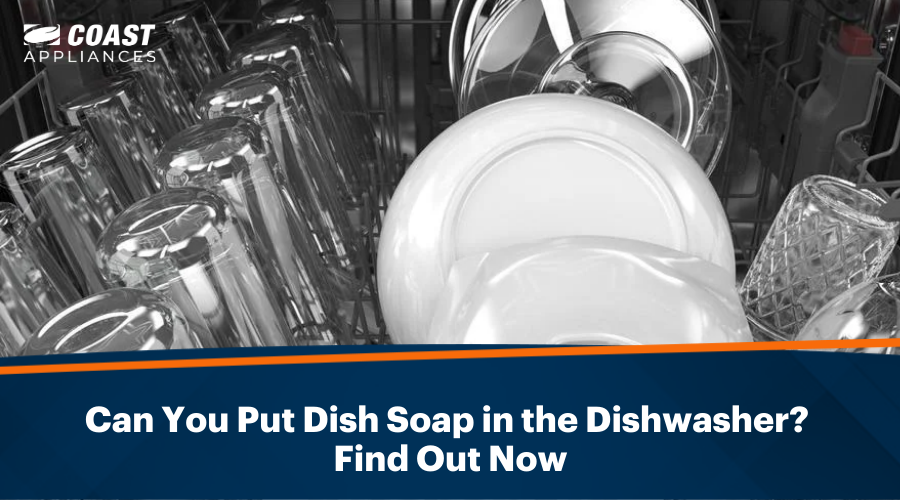
Accidentally run out of detergent and wondered, can you put dish soap in the dishwasher? It’s a common question, but using the wrong product can quickly turn a normal wash cycle into a messy (and potentially costly) problem.
Understanding the difference between dish soap and dishwasher detergent helps protect your appliance, your kitchen, and your dishes. In this guide, we’ll explain what happens if you use regular dish soap, how to fix a sudsy situation, and what safe dishwasher detergent substitutes you can use instead.
In this article, we’ll cover:
Dishwashers
Browse our full selection of dishwashers.
Why Dish Soap and Dishwashers Don't Mix
The short answer: No, you should never use regular liquid dish soap in a dishwasher.
Dish soap and dishwasher detergent are designed for completely different cleaning environments. Dish soap is made to create lots of suds for hand washing, while dishwasher detergent is specifically formulated to clean effectively without excessive foam.
Key differences:
| Feature | Dish Soap | Dishwasher Detergent |
| Suds level | High foam | Low or no foam |
| Cleaning method | Manual scrubbing | High-pressure spray + heat |
| Formulation | Gentle, foaming agents | Enzymes to break down food, grease, and starch |
| Appliance safety | Not safe for dishwashers | Designed for dishwasher systems |
Too many suds can interfere with the dishwasher’s spray arms, sensors, and drainage system, reducing cleaning performance and increasing the risk of leaks.
What Happens If You Use Dish Soap in a Dishwasher?
If you’re asking can you use liquid dish soap in a dishwasher, the results can escalate quickly and not in a good way. Regular dish soap is designed to create lots of suds for hand washing, while dishwasher detergent is formulated to clean with minimal foam. Even a small amount of dish soap can quickly fill the appliance with bubbles, blocking water circulation and preventing the spray arms from cleaning effectively.
As the cycle continues, excess foam often leaks through the door seals and onto the floor, creating a messy cleanup and potential water damage. In addition to the overflow, soap residue can remain inside filters, pumps, and sensors, reducing performance over time and putting extra strain on internal components — which may lead to costly repairs if it happens repeatedly.
Here’s what may happen:
-
Thick suds build up and overflow onto your kitchen floor
-
Water leaks through door seals and around the unit
-
Spray arms become blocked, reducing cleaning performance
-
Dishes come out dirty, cloudy, or coated in residue
-
Soap and foam remain trapped inside the tub and filters
-
Internal components like pumps and sensors experience extra strain
-
Repeated misuse can lead to long-term damage or costly repairs
How To Handle a Sudsy Dishwasher Disaster
Accidentally added dish soap? Don’t panic! Quick action can prevent damage.
Follow these steps:
-
Stop the cycle immediately and turn off the dishwasher.
-
Open the door carefully and remove all dishes.
-
Scoop out as much foam as possible using a cup, towel, or bowl.
-
Pour ½ to 1 cup of white vinegar into the bottom of the tub to break down the suds.
-
Run a short rinse or drain cycle.
-
If foam remains, repeat the rinse (add more vinegar if needed).
-
Wipe the interior dry and check surrounding floors and cabinets for moisture.
Once the suds are completely gone, run an empty normal cycle to ensure the system is fully cleared.
For long-term performance and odour prevention, follow a regular cleaning routine.
Check our article guide on how to clean a dishwasher. A little routine maintenance helps prevent odours, improves cleaning performance, and keeps your appliance running efficiently for years to come. In this guide, you’ll learn the essential steps to keep your dishwasher clean.
Dishwasher Detergent Substitutes
| Substitute | How to Use | Notes |
| Baking soda | 2–3 tablespoons | Helps with odours and light cleaning |
| Washing soda | 2 tablespoons | Stronger cleaning power |
| White vinegar | Add to rinse compartment | Improves shine, reduces residue |
| Borax (if available) | 1–2 tablespoons | Effective grease removal |
DIY Dishwasher Detergent Recipes
If you frequently run low, consider a simple homemade option.
Basic DIY dishwasher detergent:
-
1 cup washing soda
-
1 cup baking soda
-
½ cup citric acid
-
Optional: ½ cup coarse salt
Mix and store in an airtight container. Use 1–2 tablespoons per load.
Quick emergency mix:
-
2 tablespoons baking soda
-
A few drops of vinegar in the rinse compartment
Can You Put Dish Soap in the Dishwasher – FAQs
Is dishwasher detergent residue harmful?
When used correctly, dishwasher detergent is designed to rinse away completely. Using too much, however, can leave residue on dishes or inside the machine.
How much dishwasher detergent should be used per load?
Most standard loads require 1–2 tablespoons or a single detergent pod. Follow your manufacturer’s recommendations and adjust for water hardness.
What can I use to hand wash dishes instead of dish soap?
In an emergency, warm water with baking soda or a small amount of vinegar can help loosen grease, though it won’t clean as effectively as proper dish soap.
Can using the wrong detergent void my dishwasher warranty?
Yes. Using products not recommended by the manufacturer, such as regular dish soap, may cause damage that isn’t covered under warranty.